Examining Cyclical Reward Trends in Mobile Roulette Applications at UK Regulated Sites
Seasonal patterns in mobile app reward distributions emerge when operators adjust incentive structures according to calendar cycles, player engagement data, and regulatory frameworks across licensed UK platforms. These adjustments appear in bonus frequencies, cashback percentages, and deposit match values that shift between winter months, spring transitions, summer periods, and autumn campaigns. Observers note that developers integrate location-based triggers and time-stamped promotions into app algorithms, creating measurable variations that align with broader consumer spending behaviors tracked through industry analytics.
Core Mechanics Behind App-Based Reward Cycles
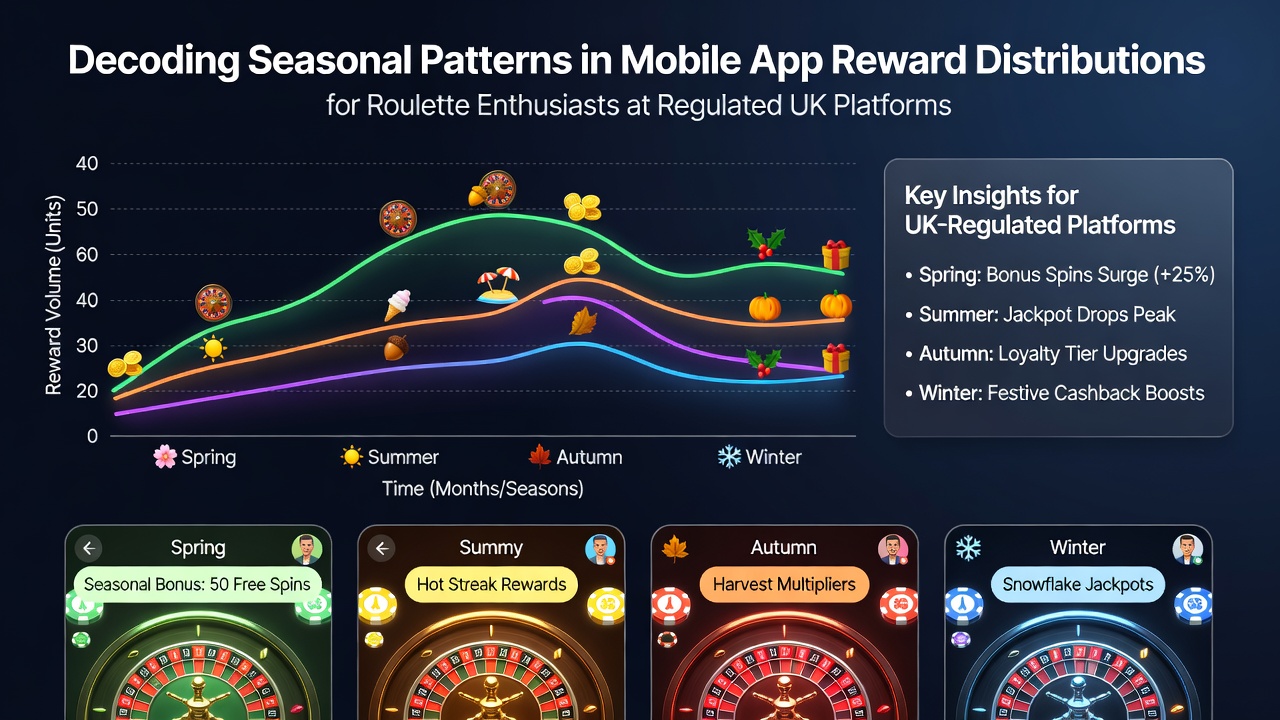
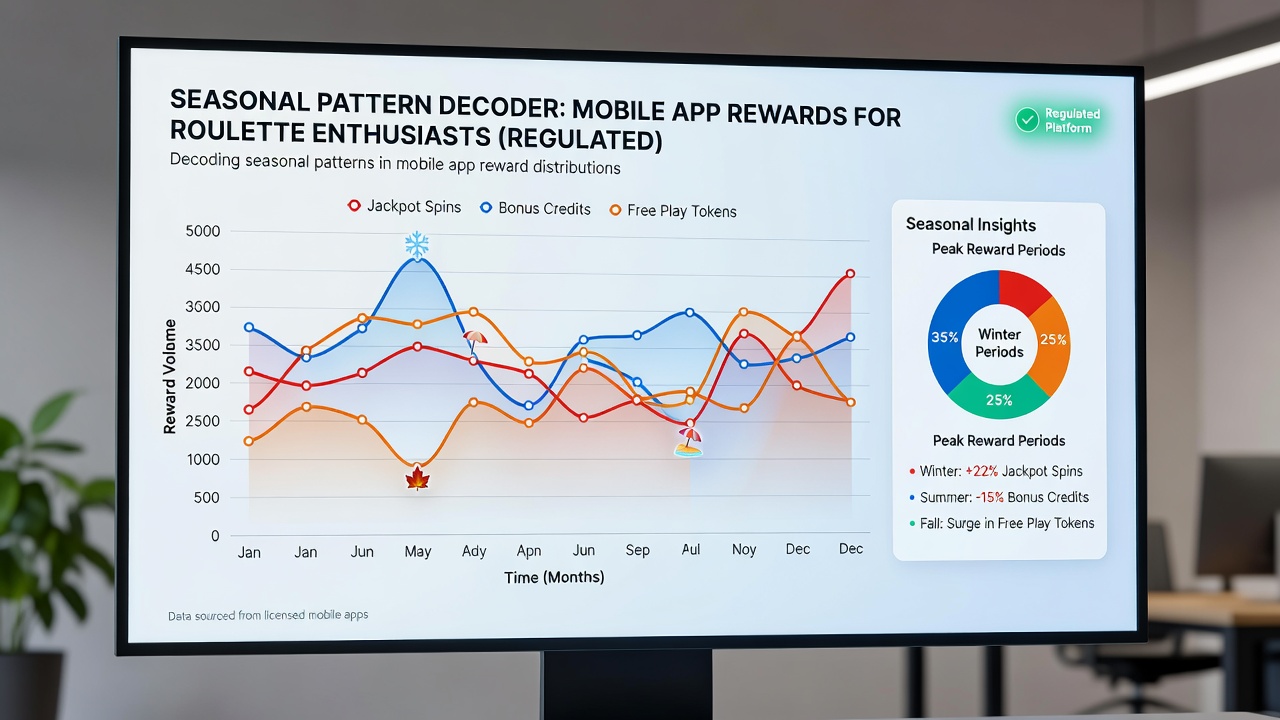
Platform operators program reward engines to respond to aggregated user activity metrics collected during specific quarters, which means distribution rates for roulette enthusiasts often accelerate during holiday clusters while tapering in quieter intervals. Data from multiple operators shows higher allocation of free spin bundles and reload credits during December through February, whereas March to May periods feature more modest but consistent daily login incentives. Those who monitor app update logs find that developers introduce new seasonal themes, such as festive wheel multipliers or summer streak bonuses, precisely because historical telemetry indicates elevated session lengths during these windows.
Algorithms factor in variables like average bet sizes and session durations recorded in previous years, allowing systems to predict when players might respond positively to elevated cashback rates. This predictive modeling relies on anonymized datasets that exclude personal identifiers yet still capture broad demographic trends across UK regions.
Patterns Documented Through 2025 and Into 2026
Analysis of reward logs from 2025 reveals distinct spikes in mobile-distributed roulette incentives around major sporting calendars and national holidays, with similar structures projected to continue into August 2026. During summer months, operators frequently layer outdoor-themed challenges onto existing roulette lobbies, resulting in elevated prize pools tied to consecutive play streaks. Figures from independent tracking services indicate that August distributions have historically included targeted push notifications offering enhanced multiplier events, particularly when user retention metrics dip after peak festival seasons.
Researchers at academic institutions have cross-referenced these patterns with macroeconomic indicators, finding correlations between reward generosity and disposable income fluctuations reported in consumer surveys. Such connections help explain why certain platforms increase reload frequency in late summer to sustain engagement ahead of autumn schedule changes.
Influences From External Events and Regulatory Timing
External factors such as international sporting events and fiscal announcements prompt operators to recalibrate reward parameters within their mobile ecosystems. When major tournaments coincide with traditional low-engagement weeks, apps often deploy compensating bonus structures to maintain activity levels. Platforms licensed under frameworks similar to those overseen by bodies like the Malta Gaming Authority have demonstrated comparable seasonal tuning, suggesting the approach transcends single jurisdictions.
Academic papers from institutions including the University of Sydney highlight how digital gambling interfaces adapt promotional calendars to align with academic terms and school holidays, creating parallel effects in UK markets. These adjustments manifest as increased voucher redemptions during family-oriented periods and more aggressive leaderboard competitions during solitary winter months.
Technical Implementation in Regulated Environments
App developers embed seasonal logic into backend servers that push updates through secure channels compliant with UK data protection standards. This architecture permits real-time modification of reward tables without requiring full app reinstalls, which explains why players encounter fresh offers at the start of each new quarter. Testing protocols ensure that changes undergo verification before deployment, reducing the likelihood of distribution errors during high-traffic seasonal transitions.
Third-party audit firms review these systems annually, confirming that reward randomization remains fair while seasonal multipliers operate within disclosed parameters. The process generates extensive logs that researchers can later mine for pattern validation without compromising player privacy.
Future Projections Based on Existing Trends
Continued refinement of machine learning models suggests that reward distributions will grow more granular, potentially segmenting users by historical play windows rather than broad seasonal buckets. This evolution could lead to personalized August 2026 campaigns that differ markedly from generic summer offers distributed in prior years. Industry associations such as the European Gaming and Betting Association have published overviews noting the increasing precision of these targeted systems across European markets.
One study released through the Canadian Centre for Gaming Research examined analogous patterns in mobile casino applications, revealing that seasonal reward density correlates strongly with regional weather data and local event calendars. Observers expect similar integrations to appear in UK roulette apps as operators seek competitive differentiation.
Conclusion
Seasonal reward patterns in mobile roulette applications reflect deliberate engineering choices informed by usage statistics, external calendars, and compliance requirements. Platforms continue to refine these systems as new datasets become available, particularly around transitional periods like August 2026. The resulting distributions create predictable yet evolving opportunities that enthusiasts can track through consistent app engagement and notification monitoring.