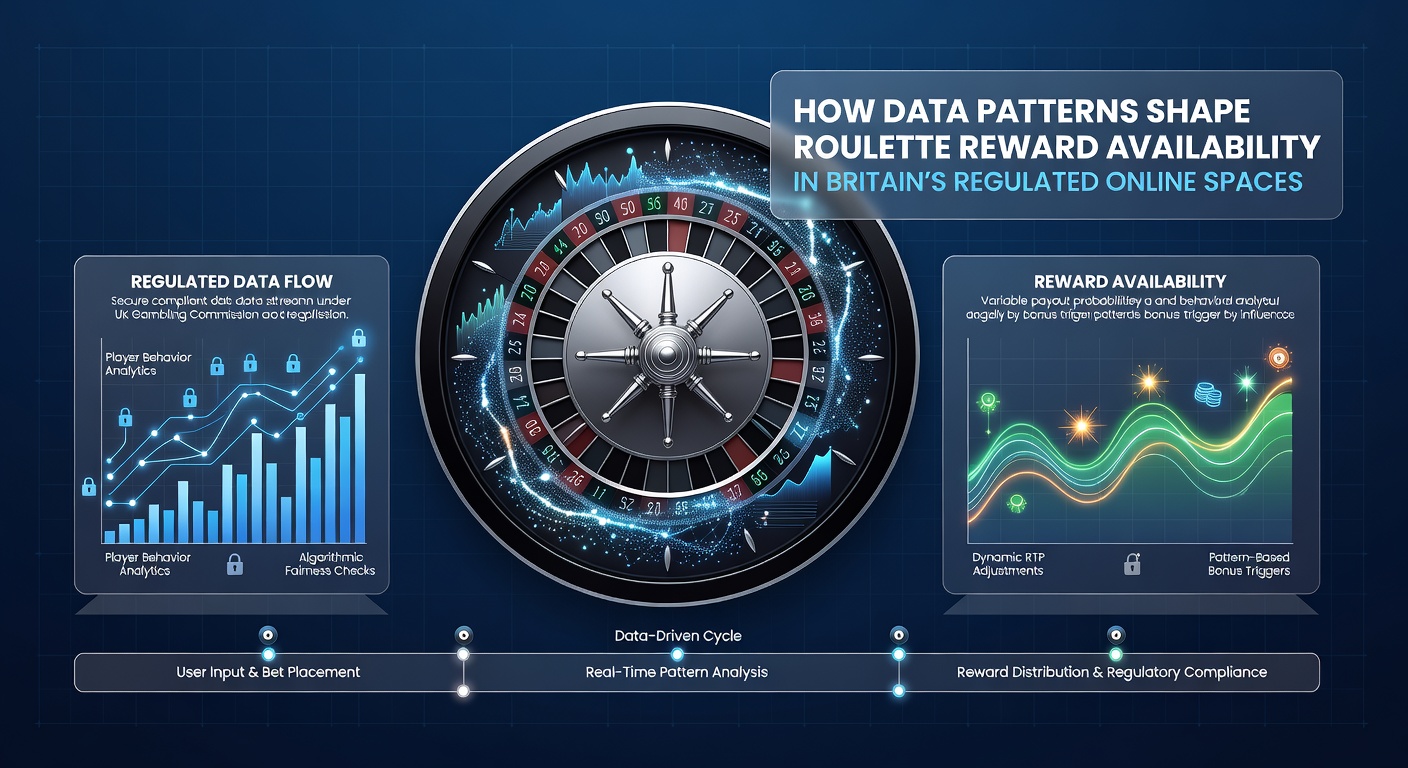
How Behavioral Data Patterns Influence Roulette Reward Structures in Britain's Regulated Online Casinos
Analysts track extensive datasets from player sessions across Britain's licensed platforms and these records reveal clear correlations between betting frequency, session duration, and the timing of reward offers for roulette variants. Operators aggregate information on spin velocity, stake adjustments, and game selection sequences which allows systems to identify clusters of activity that trigger specific incentive distributions, while regulatory frameworks require transparent logging of all such processes to maintain fairness across the sector. Research from academic institutions demonstrates that machine learning models process historical gameplay metrics to forecast when individual accounts show signs of increased engagement with roulette tables. These models incorporate variables such as time-of-day preferences and response rates to previous promotions, creating dynamic availability windows that adjust reward types without manual intervention. Data patterns also highlight differences between casual participants who favor European roulette and those who migrate toward live dealer formats, leading platforms to calibrate offers accordingly.Collection Mechanisms and Pattern Identification
Operators deploy backend analytics that record every interaction point from login timestamps through to cash-out behaviors and these logs feed into centralized databases where algorithms detect recurring sequences. For instance, repeated low-stake sessions on single-zero wheels often precede eligibility for multiplier-based rewards, whereas high-volume players trigger cashback structures tied to cumulative losses within defined periods. External reports from Canadian research bodies confirm similar pattern recognition techniques operate in other regulated markets, providing comparative benchmarks that inform British implementations.
What's more, clustering techniques group users by shared traits such as device type and geographic indicators within the UK, allowing finer segmentation that influences which roulette variants receive promotional boosts at any given moment. Patterns emerging from weekend versus weekday activity further refine these groupings, with evidence indicating that mobile-based sessions generate distinct reward pathways compared to desktop play.
Impact on Reward Timing and Types
Statistical analysis shows reward availability expands during periods when aggregate data signals rising player retention risk, such as after several consecutive sessions without wins on roulette. Systems automatically surface no-deposit credits or matched deposit multipliers to accounts exhibiting those trajectories, while avoiding over-distribution to profiles that maintain steady engagement regardless of outcomes. This calibration relies on predictive scoring derived from months of anonymized transaction histories.
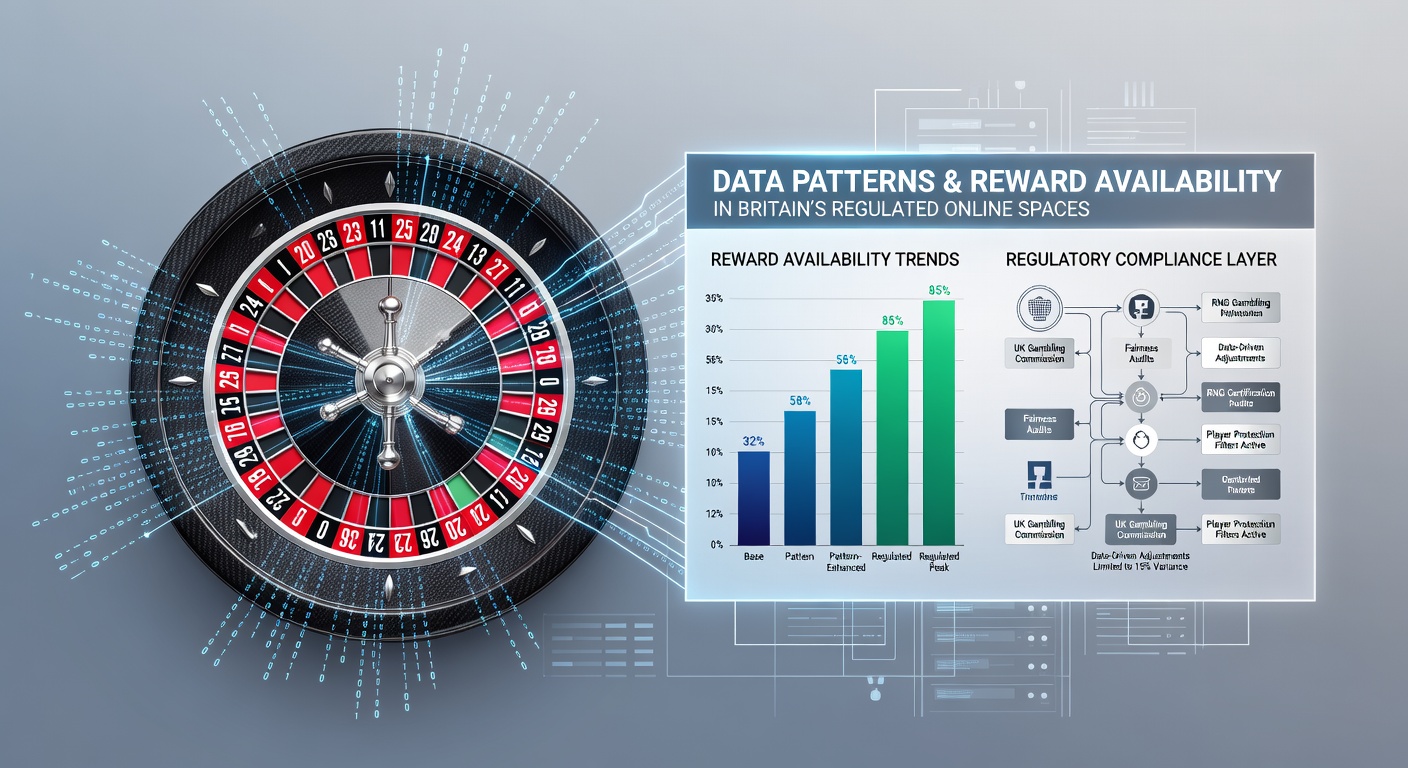
Studies published through the University of Nevada, Reno's gaming research center illustrate how similar data-driven approaches in international settings produce measurable shifts in player return rates, and British operators adapt these insights within local compliance boundaries. University of Nevada research further notes that seasonal fluctuations, including heightened activity ahead of major sporting calendars, prompt preemptive reward layering for roulette to sustain platform stickiness.
Regulatory Context and Data Governance
Britain's oversight structure mandates that all pattern-based reward mechanisms undergo independent audits, ensuring algorithms do not inadvertently disadvantage specific demographic segments. Data minimization principles require operators to retain only necessary fields for reward calibration, which in turn shapes how granular the available patterns become. Observers note that cross-referencing with broader economic indicators helps platforms anticipate demand spikes without breaching privacy thresholds.
By May 2026, forthcoming adjustments to digital service standards are expected to introduce enhanced consent layers for behavioral tracking, potentially altering the depth of data available for roulette reward modeling across licensed sites. These changes build on existing requirements for clear disclosure of how session data contributes to personalized offers, maintaining alignment with evolving consumer protection expectations.
Future Developments in Pattern Application
Emerging techniques incorporate real-time sentiment indicators from chat interactions and support queries alongside traditional metrics, expanding the variables that determine reward eligibility for roulette enthusiasts. Industry analyses from Australian government-affiliated studies suggest such multi-source integration can improve the precision of incentive delivery while reducing instances of mismatched promotions. Australian Institute of Family Studies reports provide additional context on longitudinal data trends that operators monitor for benchmarking purposes.
Conclusion
Data patterns continue to refine how rewards appear for roulette across Britain's regulated online environments through systematic collection, algorithmic processing, and regulatory oversight. These mechanisms operate continuously, adjusting availability based on observed behaviors while adhering to transparency mandates. As new standards approach in 2026, the interplay between analytics and reward structures will likely incorporate additional safeguards, sustaining the balance between engagement tools and compliance obligations within the sector.