
Loyalty Algorithms Reshaping Offer Pools for Spinning Games at Licensed Digital Venues
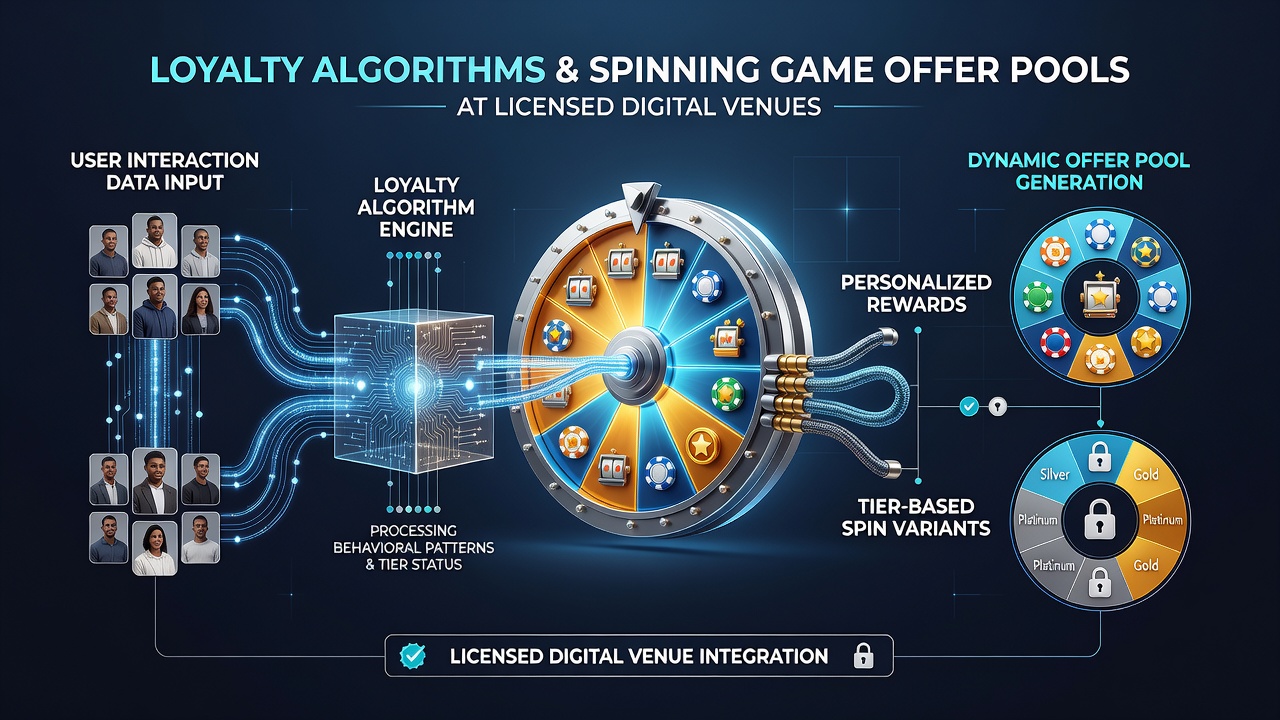
Loyalty algorithms track player behavior across licensed digital venues and adjust reward distributions for spinning games like roulette in real time, and these systems segment users based on deposit frequency, session length, and game preferences before allocating offers from shared pools. Data from multiple jurisdictions shows that such algorithms prioritize high-engagement profiles while maintaining minimum allocations for broader player bases, which creates measurable shifts in available bonuses during peak periods such as August 2026.
Core Mechanics of Loyalty Algorithms
These algorithms process inputs including wager volume, game type selection, and retention metrics to assign tier levels, and they recalculate offer eligibility daily or weekly depending on venue policy. Observers note that spinning game pools receive targeted replenishment when algorithms detect declining participation rates among mid-tier players, whereas premium segments often receive accelerated access to higher-value entries. Industry reports indicate that this dynamic allocation reduces waste in static reward systems yet concentrates premium offers among consistent roulette participants at many regulated platforms.
Impact on Spinning Game Offer Pools
Offer pools for spinning games contract or expand according to predicted demand curves generated by the algorithms, and venues using these tools report tighter control over bonus liability during high-traffic months. Researchers have observed that roulette-specific rewards, such as free spin credits or matched deposits, move through the pool faster when algorithms flag rising interest in live dealer formats. In August 2026 several licensed operators adjusted pool sizes after algorithm outputs projected increased mobile roulette traffic ahead of major sports events, which resulted in more frequent but smaller offers distributed across segmented groups.
Segmentation and Pool Distribution Patterns
Player segmentation divides users into cohorts that receive differentiated access to the same underlying offer pool, and algorithms weigh factors like geographic location and device type alongside historical play data. Those who study these systems note that spinning game rewards allocated to casual players often carry stricter wagering conditions compared with offers extended to loyalty tier members. This differentiation maintains pool sustainability while directing higher-value incentives toward segments that generate greater revenue per session.
Venues in regions outside the UK have documented similar patterns, and a 2025 study from the Victorian Commission for Gambling and Liquor Regulation highlighted how algorithmic segmentation altered bonus uptake rates for electronic table games including roulette variants. The same report noted that pools replenished more rapidly for players classified as moderate spenders when algorithms detected competitive pressure from neighboring licensed sites.
Regulatory Oversight and Data Requirements
Regulators in multiple jurisdictions require operators to disclose algorithmic parameters that affect offer fairness, and audits examine whether pool allocations discriminate against protected player categories. According to guidance from the New Jersey Division of Gaming Enforcement, licensed venues must retain records demonstrating that loyalty algorithms do not create unintended barriers to spinning game rewards for eligible users. These requirements have prompted several operators to implement audit trails that log every pool adjustment triggered by the algorithms during periods of elevated activity such as August 2026.
Industry associations including the European Gaming and Betting Association have published frameworks that encourage transparency around algorithmic decision-making, and member organizations report increased investment in explainable AI tools to satisfy both regulators and players. Data from these frameworks shows that venues adopting clearer documentation experience fewer compliance queries related to reward distribution.
Observed Trends in August 2026
August 2026 brought heightened algorithm activity as operators prepared for seasonal shifts in player behavior, and several licensed venues expanded spinning game pools ahead of anticipated mobile traffic surges. Figures from platform analytics indicate that roulette offers moved through distribution queues at accelerated rates when algorithms incorporated real-time session data from competing sites. Observers note that this responsiveness helped maintain engagement levels without exhausting overall reward budgets.
Conclusion
Loyalty algorithms continue to influence how spinning game offer pools are sized and distributed at licensed digital venues, and their segmentation logic determines which players receive access to particular rewards at any given moment. Evidence from regulatory reports and industry studies demonstrates that these systems balance sustainability with engagement goals across different player cohorts. Operators that document algorithmic processes thoroughly meet oversight standards while adapting pools to seasonal patterns such as those observed in August 2026.