
Mobile Interface Patterns Driving Roulette Bonus Reach in Worldwide Markets
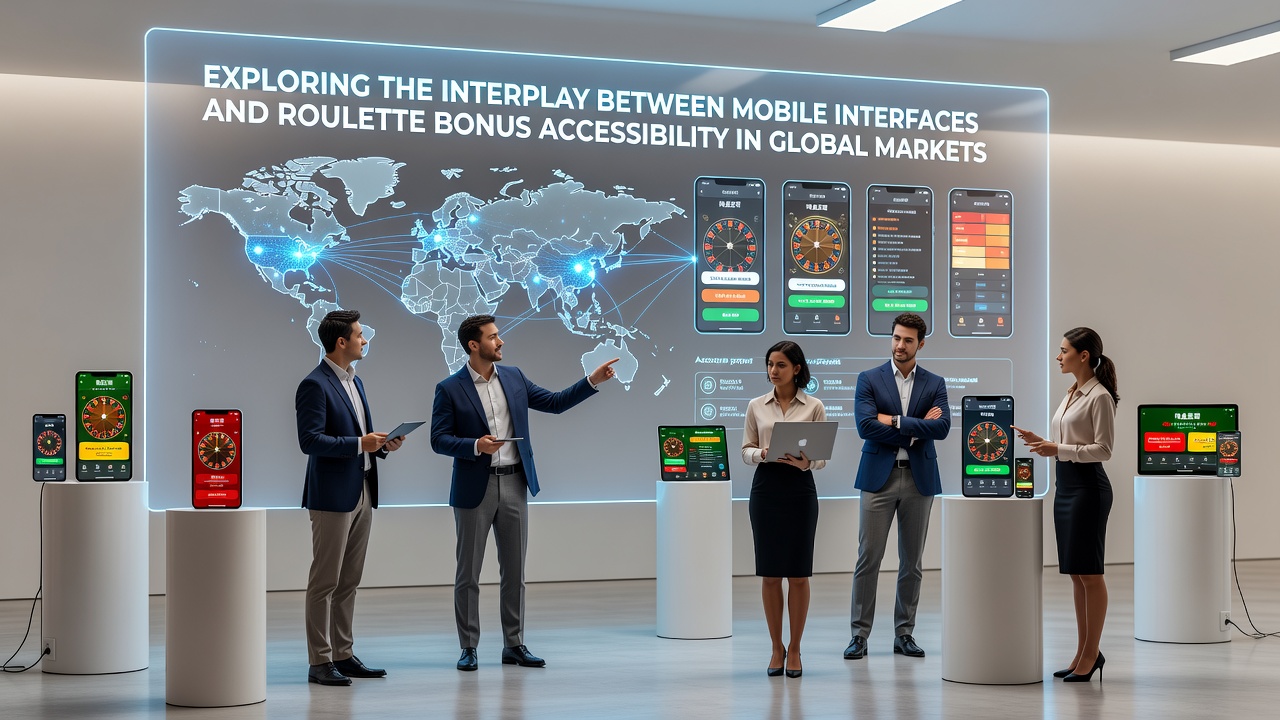
Global gambling platforms have shifted substantial resources toward mobile optimization because smartphone usage now accounts for the majority of session starts in regulated markets. Interface elements such as swipe gestures, push-notification placement, and one-tap login sequences directly determine whether players locate and claim roulette promotions within the first minute of opening an app. Data collected across multiple jurisdictions shows that streamlined navigation menus correlate with higher bonus redemption rates while cluttered layouts produce measurable drop-offs at the registration or deposit stage.
Interface Elements That Shape Bonus Discovery
Design teams at major operators test variations in button placement, color contrast, and scrolling behavior because these choices influence how quickly users reach the promotions tab. A study released by the University of Nevada Reno Gaming Research Center found that apps using persistent bottom navigation bars recorded 18 percent more bonus activations than those relying on hamburger menus during comparable testing periods. Developers also adjust font sizes and icon spacing to accommodate different screen dimensions common in Asia-Pacific regions where mid-range Android devices remain prevalent.
Push notifications triggered by location services or time-based algorithms further affect accessibility. In markets where regulators permit geo-targeted alerts, operators report increased uptake of daily roulette reload offers when messages appear within thirty seconds of app launch. Conversely, jurisdictions that restrict such notifications require alternative pathways such as in-app banners or email summaries that demand additional user steps.
Regional Regulatory Frameworks and Mobile Constraints
European operators licensed under the Malta Gaming Authority must embed responsible-gaming prompts at multiple points in the mobile flow, which sometimes lengthens the path to bonus activation yet maintains compliance. Similar requirements from iGaming Ontario in Canada emphasize clear display of wagering conditions directly on the claim screen rather than in separate terms pages. These rules create distinct interface patterns that differ from those observed in parts of Latin America where fewer display mandates allow more compact layouts.
Australian regulators have introduced mandatory deposit-limit selectors that appear before any bonus offer loads on mobile screens. Industry reports from Gambling Research Australia indicate that this step reduces incomplete bonus claims by prompting users to set parameters early, although completion times extend by an average of twelve seconds per session. Observers note that operators adapt by pre-filling conservative default values that players can adjust with minimal taps.
Technical Infrastructure Supporting Cross-Border Access
Content delivery networks and edge computing reduce latency for players accessing European-licensed sites from Southeast Asia, where network conditions vary widely. Faster load times translate into higher retention on bonus claim pages because users abandon sessions less frequently when wheel animations and balance updates appear without delay. Cloud-based A/B testing platforms allow operators to deploy region-specific interface tweaks within days rather than weeks, responding to usage analytics gathered from millions of daily sessions.
Payment integration modules embedded in mobile flows also determine bonus eligibility because many promotions require a qualifying deposit made through approved methods. Regions with widespread adoption of digital wallets experience quicker transaction confirmations and therefore earlier bonus crediting compared with markets still dependent on slower card processors. According to figures released by the European Gaming and Betting Association, average deposit completion times dropped 27 percent between 2023 and 2025 in countries where wallet usage exceeded 60 percent of mobile transactions.
Emerging Trends Observed Through Mid-2026
By June 2026 several operators had introduced adaptive interfaces that rearrange bonus tiles based on individual play history stored locally on the device. These systems prioritize roulette-specific offers for users who previously engaged with wheel games while surfacing slot or table promotions for other segments. Early deployment data shared at industry conferences suggests the personalization layer increases click-through rates without violating data-protection statutes in the European Union or Canada.
Voice-command features remain limited to a small number of markets because speech-recognition accuracy varies with accents and background noise common in public settings. Nevertheless, pilot programs in select North American states demonstrate that hands-free bonus activation appeals to users multitasking on tablets or larger phones. Continued refinement of natural-language processing will likely expand these options across additional territories before the end of the decade.
Conclusion
Mobile interface decisions and regulatory environments interact continuously to shape how roulette bonuses reach players in different countries. Operators that align navigation flows, notification timing, and payment modules with local rules achieve higher engagement metrics while maintaining compliance. Ongoing technical improvements and region-specific testing will sustain this interplay as device capabilities and market conditions evolve through 2026 and beyond.