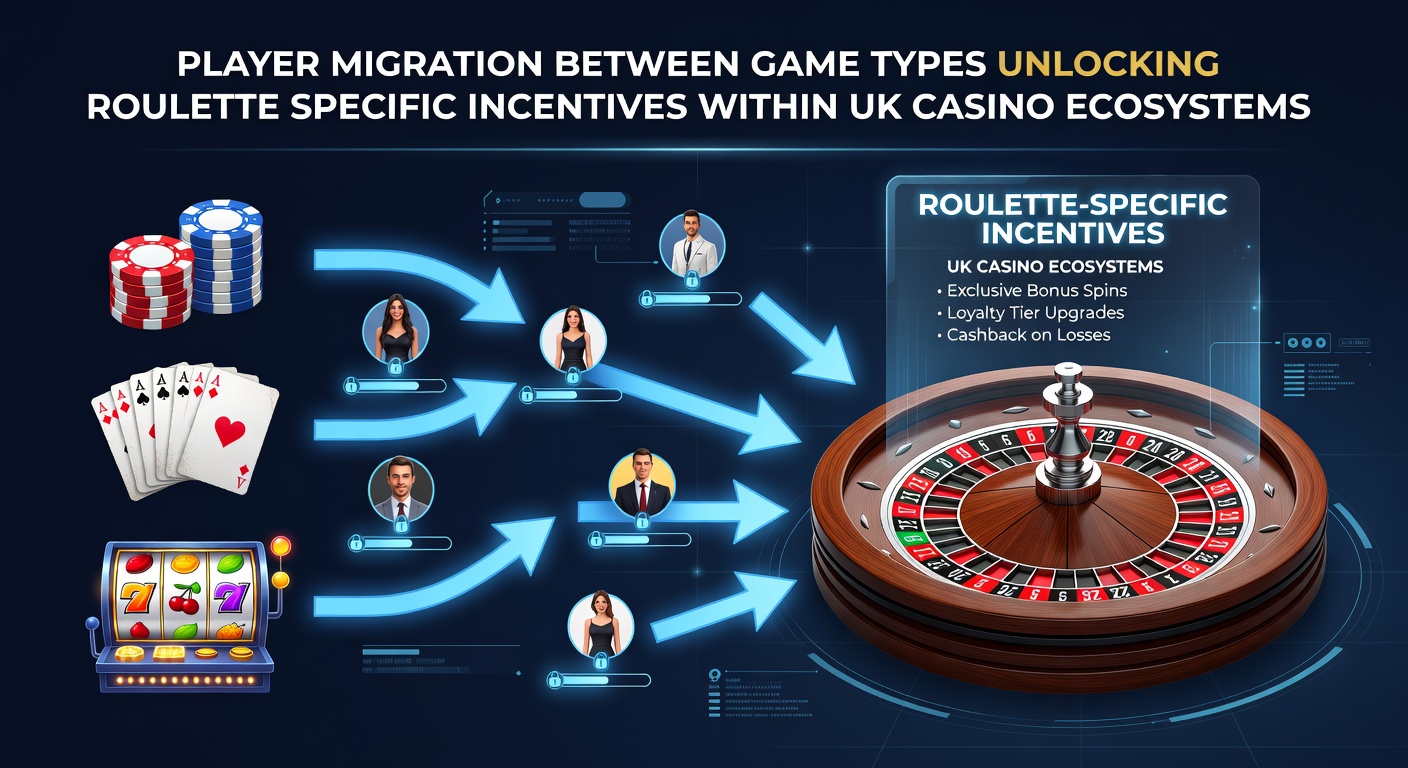
Player Migration Between Game Types Unlocking Roulette Specific Incentives Within UK Casino Ecosystems
Players frequently shift between slot machines and table games within UK casino platforms, and this movement often activates targeted rewards that apply specifically to roulette sessions. Data from industry tracking services shows that such migrations create pathways to incentives unavailable to those who remain in a single game category, while operators design these systems to encourage broader engagement across their libraries.
Patterns of Cross-Game Movement
Observers note that many participants begin with high-volume slot play before exploring roulette options, and this sequence triggers bonus structures tied directly to wheel-based wagering. Research indicates that sessions involving at least three distinct game types correlate with higher redemption rates for roulette-exclusive offers, whereas single-category activity tends to yield fewer such rewards. Operators monitor these transitions through account analytics, and the resulting data informs how promotional triggers activate at key thresholds.
Mechanics Behind Incentive Activation
Systems detect migration events when players complete qualifying actions in one game type and then initiate roulette rounds within a defined window, and this detection unlocks layered benefits such as enhanced cashback percentages or additional spin multipliers. Figures reveal that June 2026 saw increased rollout of these detection protocols across multiple platforms, coinciding with updates to player loyalty frameworks. Those who study platform algorithms report that the process relies on real-time session data rather than static thresholds, allowing incentives to scale according to migration frequency.
Take one documented case where participants who moved from video slots to live roulette tables received instant access to deposit-matched credits usable only on wheel games. The same players who stayed with slots alone encountered standard reload offers without the roulette-specific uplift, and this distinction highlights how movement itself functions as the unlocking condition.
Role of Platform Ecosystems
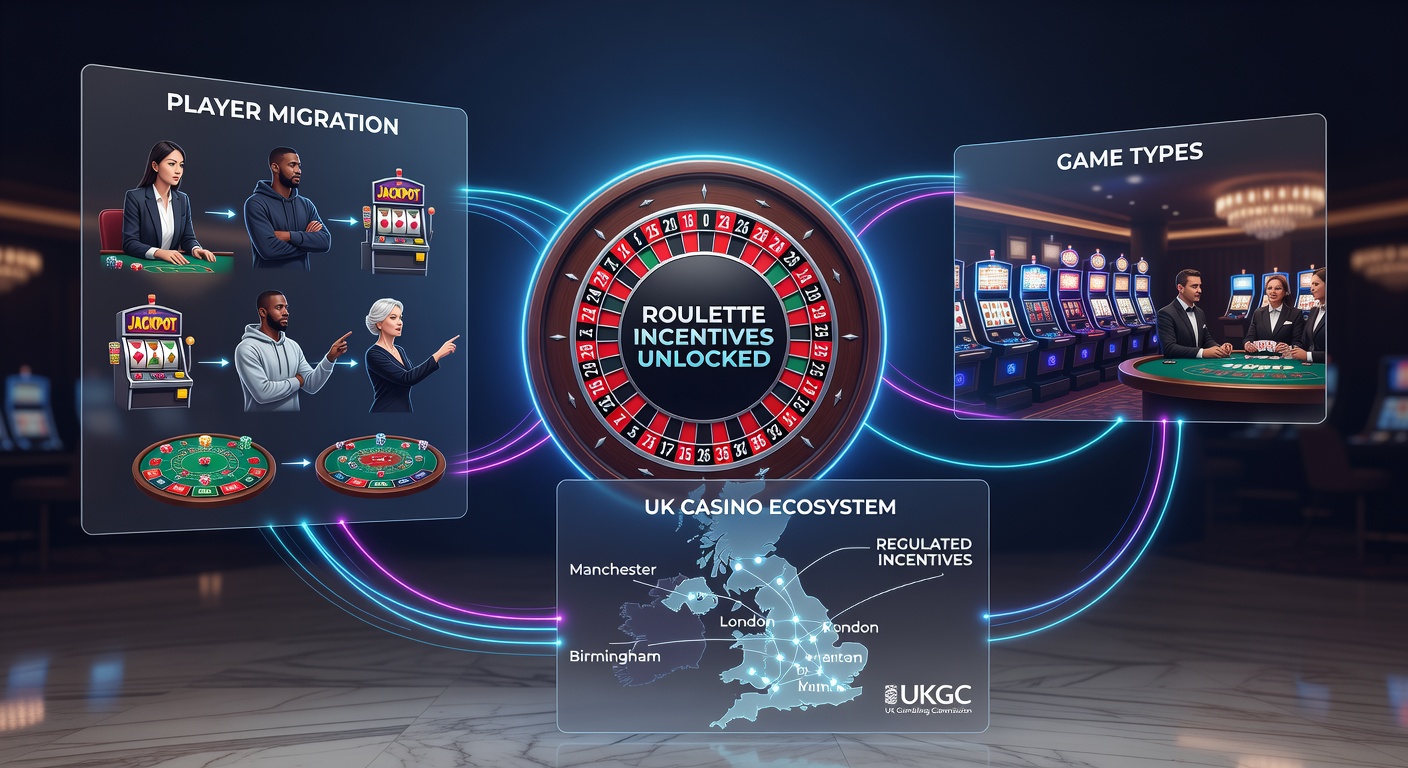
UK casino operators integrate these migration mechanics into broader loyalty architectures, and the approach allows them to distribute roulette-focused rewards without blanket promotions that apply across all titles. Reports from the European Gaming and Betting Association detail how similar cross-category systems operate in regulated markets, and the patterns align closely with practices observed in British platforms during 2026. Players who complete migration loops often accumulate points that convert into roulette tournament entries or dedicated cashback pools reserved for table game activity.
What's interesting is the timing element: many platforms require the transition to occur within 48 hours of the initial game type session, and failure to meet this window resets the incentive eligibility. Data shows that compliance with these timing rules increased by measurable margins following software refinements implemented in early June 2026.
Observed Outcomes and Tracking Data
Academic studies conducted at institutions such as the University of Nevada Reno's gaming research division have examined comparable migration dynamics, and their findings indicate that incentive unlocking through game-type shifts produces measurable retention lifts in table game segments. Within UK contexts, platforms apply these insights by adjusting trigger sensitivity, while avoiding over-distribution that could dilute perceived value. Those who've reviewed anonymized transaction logs note consistent spikes in roulette volume immediately following documented migration events.
Yet the systems also incorporate safeguards, and repeated rapid switches between categories may flag accounts for review to ensure adherence to terms. This balance keeps the process functional without encouraging artificial movement solely for reward collection.
Conclusion
Player migration between game types continues to serve as a functional mechanism for distributing roulette-specific incentives throughout UK casino ecosystems, and the approach relies on precise detection combined with timed eligibility windows. Evidence from multiple tracking sources demonstrates that these structures reward broader participation patterns, while data collected through mid-2026 reflects ongoing refinements to the underlying algorithms. Platforms maintain these frameworks to align player behavior with available reward pools, and the resulting activity stays integrated within existing regulatory and operational standards.