Player Pathways: How Verification Unlocks Layered Rewards for Wheel Games on Handheld Devices
Verification systems in digital gaming environments establish structured pathways that connect user authentication directly to progressive reward structures in wheel-based games played on handheld devices and these systems operate through sequential stages where initial identity confirmation grants access to basic features while deeper validation layers activate additional benefits such as enhanced payout multipliers and exclusive game variants.
Core Mechanisms of Player Verification
Handheld platforms integrate verification protocols that combine document uploads with biometric checks and real-time data cross-referencing to confirm player eligibility before any reward tiers become available and this process ensures compliance with regional standards while simultaneously mapping user activity onto reward progression tracks that scale with verified engagement levels. Researchers from academic institutions have documented how mobile applications streamline these steps through app-native tools that reduce friction compared to desktop equivalents and data from industry reports shows verification completion rates rising notably during periods of increased mobile traffic such as those observed around July 2026.
Layered Rewards Tied to Verification Stages
Once verification advances from basic profile setup to full account authentication players unlock initial reward layers including daily wheel spins and entry-level bonus credits and further progression through identity rechecks or transaction history reviews opens intermediate tiers that add cashback percentages on wheel outcomes along with accelerated loyalty point accumulation. Advanced stages often require ongoing mobile-specific confirmations such as device fingerprinting or location verification which in turn release top-tier benefits like personalized wheel variants and higher-value prize pools and observers note that these layered structures encourage sustained participation on handheld devices where session lengths tend to extend due to portability factors.
Mobile-Specific Implementation Details
Wheel games on smartphones and tablets incorporate verification prompts directly into gameplay flows so that a player attempting a high-stakes spin may encounter an instant verification request that unlocks immediate reward multipliers upon completion and this integration reduces drop-off rates by aligning authentication moments with natural reward anticipation points. Handheld operating systems support secure enclave technologies that store verification tokens locally which allows seamless transitions between reward layers without repeated full re-authentications and figures from gaming technology analyses indicate that such optimizations contribute to higher retention metrics across verified mobile user bases.
Progression Pathways and Reward Scaling
Player pathways typically follow a linear yet branching model where each verified milestone branches into multiple reward options tailored to wheel game preferences and for instance early verification might yield standard free spins whereas mid-level confirmation adds access to themed wheel events with progressive jackpots and complete pathway completion grants entry to invitation-only tournaments. These structures rely on backend algorithms that track verified activity patterns to adjust reward density dynamically and studies conducted by European research groups reveal correlations between verification depth and increased average session values in mobile wheel environments.
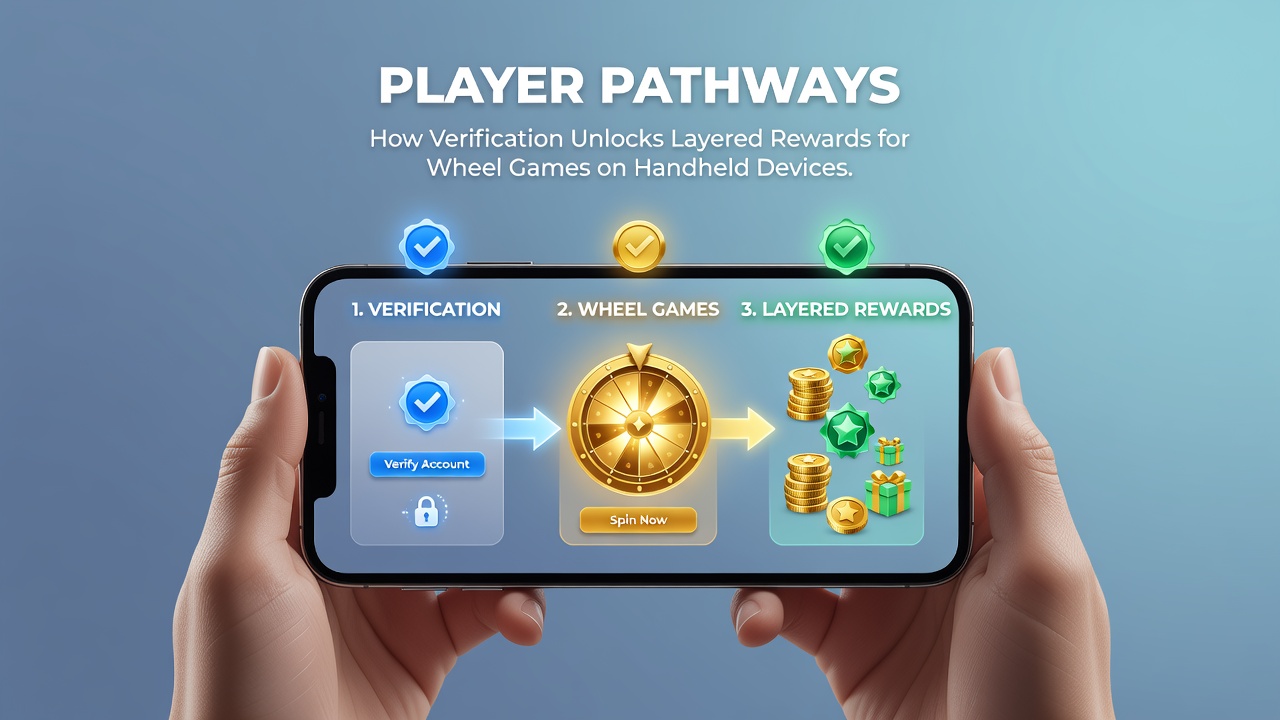
Regulatory frameworks in various jurisdictions mandate transparent disclosure of how verification influences reward access which prompts operators to publish clear pathway diagrams within mobile apps and this transparency helps users understand the connection between their verification status and available benefits. Data compiled by international gaming associations demonstrates that regions with standardized verification requirements experience more consistent reward distribution patterns across handheld platforms.
Security Integration Within Reward Systems
Verification not only gates rewards but also embeds security layers that protect both player accounts and the integrity of wheel game outcomes on mobile devices through continuous monitoring that flags anomalies before they affect layered benefits and this dual function maintains trust in the reward ecosystem while supporting uninterrupted access on handheld hardware. Technology providers have developed verification modules that sync across multiple devices allowing players to maintain their reward pathway progress even when switching between phones and tablets during active sessions.
Future Developments in Verification-Driven Rewards
Emerging trends point toward greater use of decentralized verification methods that could further streamline access to wheel game rewards on handhelds while preserving privacy standards and projections based on current adoption rates suggest expanded integration of such systems by late 2026. Industry organizations continue to publish guidelines that shape how operators structure these pathways to balance accessibility with regulatory compliance across different markets.
Conclusion
Verification serves as the foundational element that transforms basic wheel game access on handheld devices into a system of graduated rewards where each confirmed stage builds upon the previous one to deliver increasingly substantial benefits and this model continues to evolve alongside mobile technology advancements that support more efficient authentication processes. The resulting player pathways provide structured incentives that align user verification efforts with tangible gameplay enhancements across diverse regional contexts.