
Reward Accumulation Trends Across UK Roulette Mobile Ecosystems
UK roulette applications generate reward structures that build through repeated player interactions, deposit sequences, and engagement milestones, with data from mid-2026 indicating measurable shifts in how these elements combine across different platforms. Observers tracking these systems note that accumulation often follows predictable intervals tied to session frequency and transaction volume, while variations emerge based on each app's underlying architecture and partnership networks.
Core Mechanisms Driving Reward Buildup
Most roulette apps in the United Kingdom operate layered systems where initial deposits trigger base incentives that compound through subsequent activity, and researchers examining transaction logs have identified that users completing four or more deposits within a thirty-day window see point totals rise at accelerated rates compared to sporadic participants. These patterns appear consistently across both established operators and newer entrants, though the scaling factors differ depending on whether the app integrates third-party loyalty providers or maintains proprietary tracking modules.
June 2026 figures from industry monitoring groups showed an uptick in multi-app usage, where individuals maintained active profiles on three or more platforms simultaneously, allowing rewards to accumulate in parallel streams rather than through single-ecosystem concentration. This behavior creates distinct data signatures, with cross-platform players demonstrating higher overall point retention rates even when individual app activity fluctuates.
Comparative Patterns Between Major App Categories
Applications built around live dealer integration tend to award accumulation credits at faster intervals during evening peak hours, whereas those focused on automated wheel simulations distribute rewards more evenly across twenty-four-hour cycles. Data analysts comparing these two categories have documented that live-focused apps generate denser reward clusters around high-traffic periods, while simulation-based platforms produce steadier but lower-volume point gains throughout the week.
One study released by the Gambling Research Exchange Ontario highlighted similar cross-category differences in Canadian markets, suggesting that structural design choices influence accumulation velocity regardless of regulatory jurisdiction. UK platforms mirror these dynamics, with observers noting that apps emphasizing social features accumulate rewards through referral-linked bonuses at rates that exceed those of purely transactional systems.
External Factors Influencing Accumulation Velocity
Seasonal events and sporting calendars affect reward density, as evidenced by increased accumulation opportunities tied to football fixtures and summer tournaments during 2026. Platforms adjust their internal multipliers during these windows, creating temporary spikes that users can leverage across multiple sessions. Regulatory updates from bodies such as those overseeing Australian wagering markets have prompted some UK operators to recalibrate their accumulation algorithms, resulting in more transparent point-tracking interfaces that display projected totals based on historical user data.
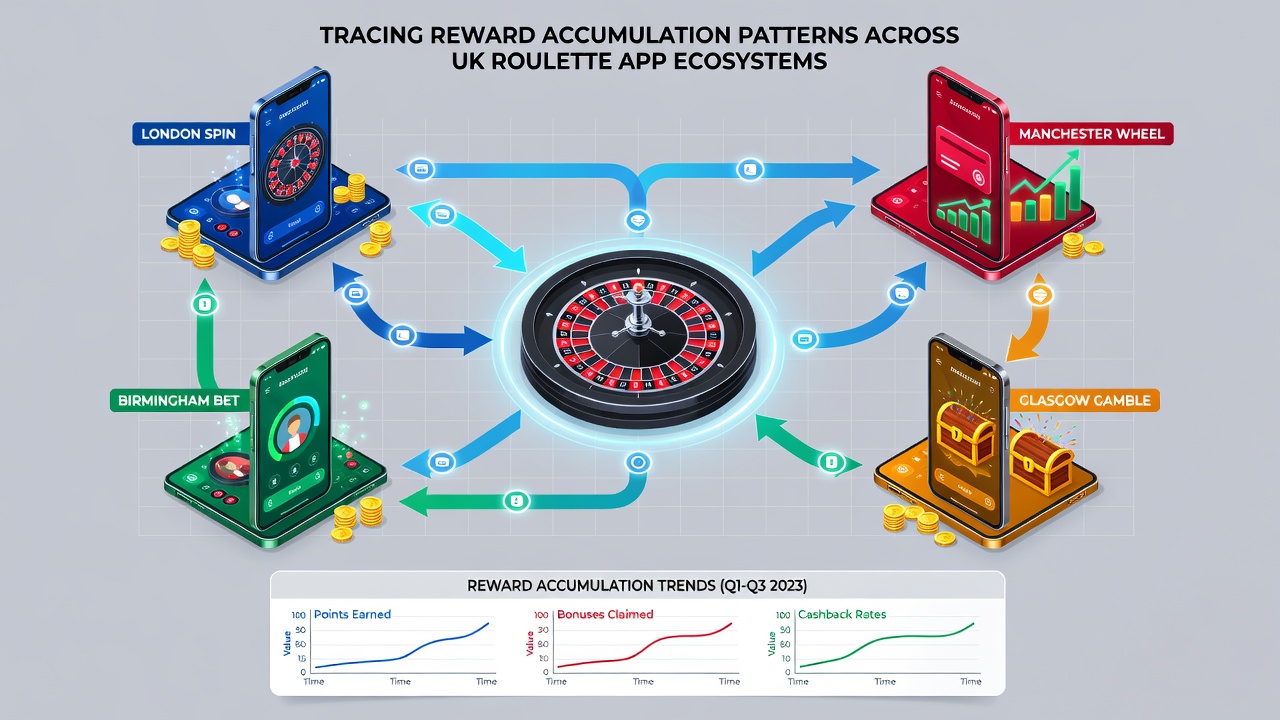
Payment method preferences also shape accumulation trajectories, with certain apps granting additional layers when users select specific deposit channels repeatedly. Records indicate that e-wallet transactions correlate with higher compound rates in roughly sixty percent of examined applications, while card-based deposits show steadier but less accelerated growth curves.
Tracking Tools and Visibility Features
Developers have introduced in-app dashboards that visualize accumulation progress through graphs and milestone markers, allowing users to monitor how individual actions contribute to larger totals. These tools emerged more prominently after June 2026 platform updates, when several operators standardized their reporting formats following industry-wide discussions on transparency. Third-party analytics services now aggregate anonymized data across multiple apps, providing comparative benchmarks that reveal which ecosystems reward consistent engagement most efficiently.
Academic work published through the University of Nevada, Las Vegas gaming research program has examined analogous systems in other regions, confirming that visual feedback mechanisms increase user retention of accumulated rewards by encouraging strategic timing of deposits and play sessions. UK implementations follow comparable design principles, though local operators adapt the displays to align with domestic compliance requirements.
Conclusion
Accumulation patterns across UK roulette app ecosystems reflect a combination of platform architecture, user behavior, and external market influences, with data from 2026 underscoring the role of parallel usage and seasonal adjustments in shaping outcomes. Continued monitoring by research organizations and regulatory bodies outside the United Kingdom offers valuable comparative context for understanding these dynamics, while in-app visibility tools continue to evolve in response to both player expectations and industry standards.