
Shifting Player Habits: How Roulette Reward Structures Adapt to App Update Cycles in Licensed Markets
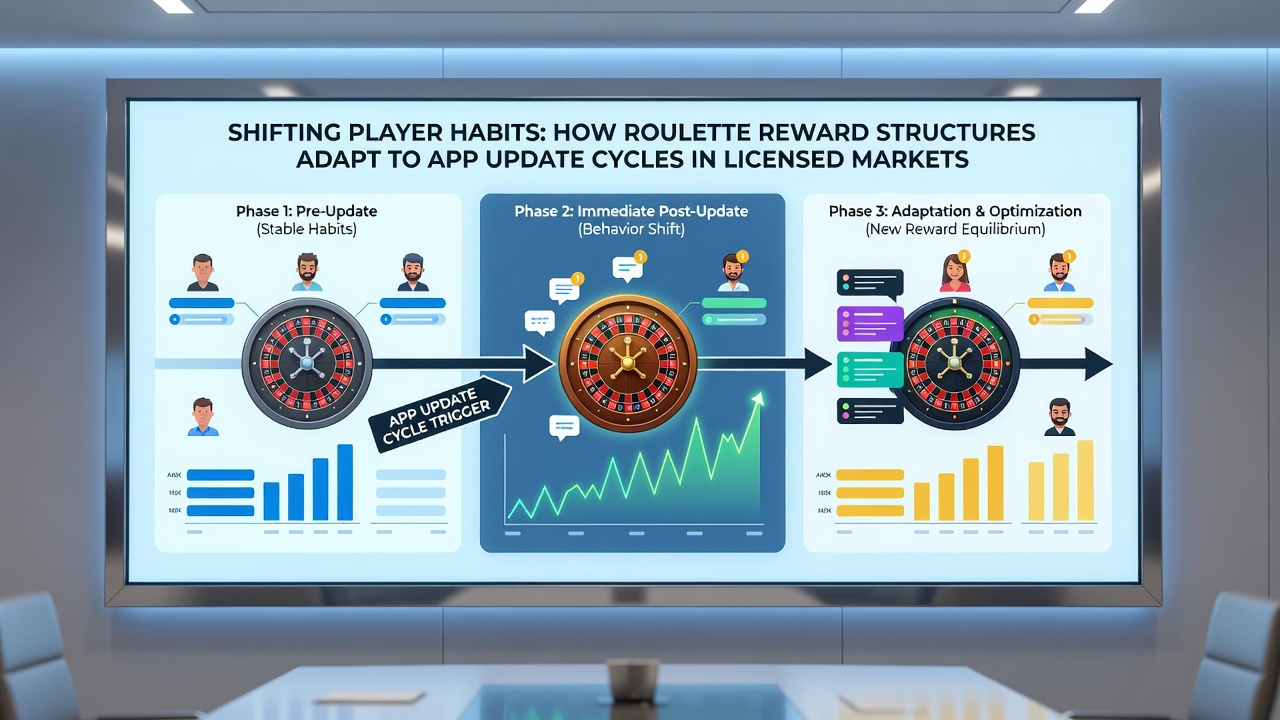
Player engagement patterns in roulette applications have evolved alongside regular software updates that licensed operators release to maintain compliance and functionality, with data from regulatory bodies indicating measurable shifts in how users interact with reward mechanics during these cycles. Developers often schedule app revisions to align with seasonal demand peaks, and observers note that roulette reward structures frequently recalibrate within days of each deployment to reflect new usage metrics collected from active sessions.
Player Behavior Changes During Update Windows
Research from mobile gaming analytics firms shows that participation in roulette sessions tends to dip briefly before major app updates land, then rebounds once new features activate, because players often wait to test revised reward systems rather than commit to older versions. Licensed markets require operators to log these fluctuations, and figures reveal that bonus redemption rates can climb by double-digit percentages once an update introduces adjusted wheel multipliers or time-limited top-ups. Those who track session data across multiple jurisdictions report that evening play hours see the sharpest increases immediately after patches drop, since users return to claim refreshed incentives tied to the new build.
Adaptation Mechanisms in Reward Delivery
Operators adjust roulette reward structures by embedding dynamic algorithms that respond to post-update telemetry, allowing systems to scale cashback percentages or free spin allocations based on real-time play volume instead of static schedules. This approach keeps offers synchronized with the latest compliance rules, and experts have observed that such flexibility prevents reward pools from depleting too quickly during high-traffic periods following an update. In practice, one platform that rolled out a stability patch in early August 2026 automatically increased daily reload values for players who completed a set number of spins within the first 48 hours, a change that matched observed habit spikes without manual intervention.
Turns out these recalibrations also incorporate regional licensing requirements, so rewards available in one market may differ from those in another even when the same app version runs across devices. Data indicates that operators test multiple reward tiers during beta phases of updates to identify which combinations retain users longest once the full release reaches stores.
Regulatory Influence on Update Timing and Rewards
Licensed markets enforce reporting intervals that often coincide with app update schedules, prompting operators to align reward refreshes with required disclosures to oversight agencies. According to information published by the Nevada Gaming Control Board, mobile roulette applications must demonstrate that promotional mechanics remain transparent after each technical revision, which leads developers to embed clearer notification flows within the updated code. This requirement has encouraged platforms to tie new reward notifications directly to update prompts, so users see available bonuses at the moment they install the revised version.
What's interesting is how these synchronized changes affect cross-border players who access multiple licensed environments. Industry reports from the European Gaming and Betting Association highlight that reward structures in roulette apps frequently incorporate geo-specific modifiers that activate only after an update confirms the user's location, ensuring offers comply with local rules while still responding to shifting session lengths recorded in the data.
Examples of Reward Evolution Across Cycles
One documented case involved a major licensed operator that introduced progressive jackpot elements into its roulette rewards following a July 2026 maintenance update, with the structure expanding based on cumulative spins logged since the previous version. Players who maintained consistent activity across the transition received tiered multipliers that scaled automatically, a mechanism designed to reward retained engagement rather than one-off logins. Similar patterns appear in other markets where operators have shortened the interval between reward resets to match faster update cadences demanded by device operating systems.
Academic studies on digital gambling interfaces further show that users adapt their play timing to coincide with anticipated reward boosts that accompany updates, creating predictable waves of activity that operators now forecast using machine learning models trained on historical patch data. These models help fine-tune the size and frequency of offers so they match observed habit shifts without exceeding licensed spending caps.
Conclusion
App update cycles continue to shape how roulette reward structures respond to evolving player habits in licensed markets, with operators relying on post-deployment analytics to refine bonus parameters in real time. Regulatory frameworks across regions support these adaptations by requiring transparent mechanics that remain functional after each revision, while data from multiple oversight sources confirms measurable changes in engagement patterns tied directly to update timing. As platforms refine their approaches, reward systems increasingly mirror the rhythm of software releases, ensuring offers stay relevant to documented user behavior across successive cycles.