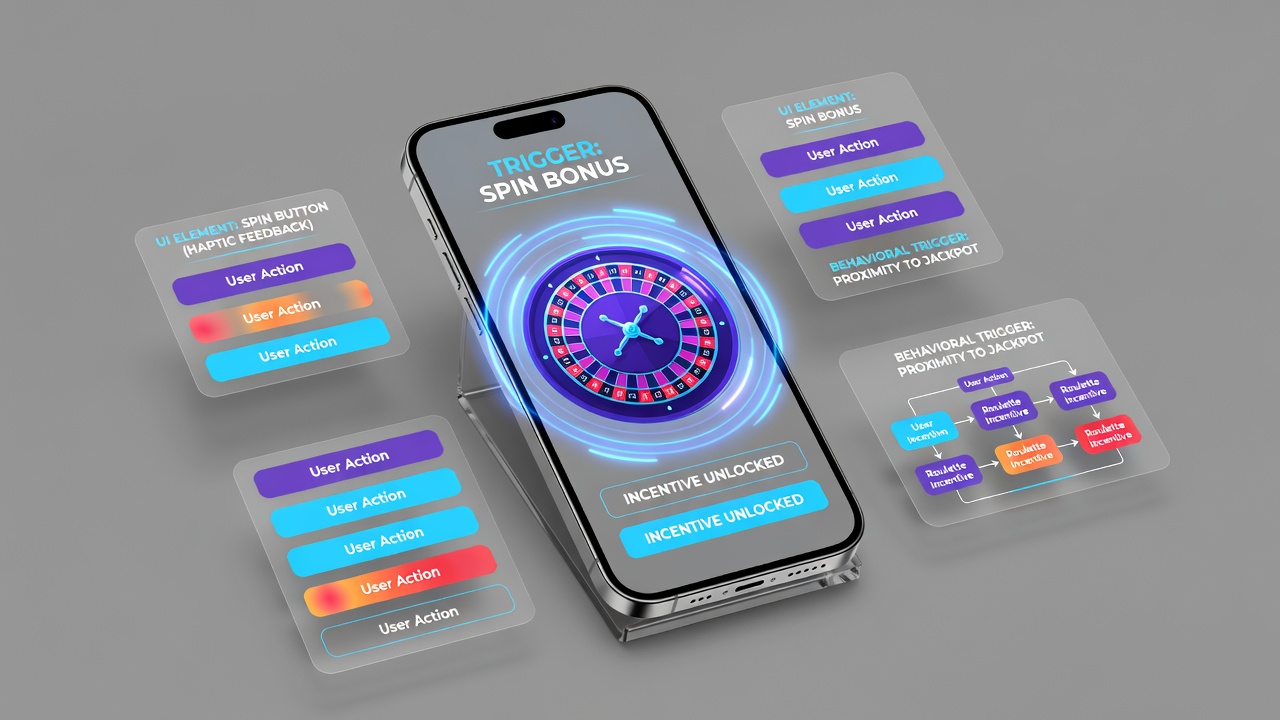
Smartphone Interface Components That Activate Roulette Incentive Triggers
Smartphone applications for roulette present users with layered interface structures that connect directly to reward activation sequences, and researchers have mapped these patterns across multiple platforms since early 2025. Observers note that specific layout decisions, such as persistent floating action buttons positioned near the bottom navigation bar, often coincide with the display of deposit-match offers or free-spin allocations once a user completes an initial spin cycle. Data from mobile analytics firms shows these elements appear more frequently in apps targeting European and North American markets during periods of high engagement like July 2026, when seasonal sports calendars drive increased session lengths.
Navigation Bar Configurations and Reward Prompts
Developers arrange bottom navigation bars with distinct tab orders that place the promotions section immediately adjacent to the game lobby, which studies from the University of Waterloo indicate can shorten the time between roulette round completion and bonus claim actions. Swiping gestures that reveal hidden menu drawers containing incentive details further streamline this pathway, while color gradients shifting from neutral tones to vibrant accents on the rewards tab draw attention without requiring additional taps. Those who have examined app telemetry report that such configurations correlate with higher conversion rates for reload bonuses when users remain in portrait orientation for extended sessions.
Animation Sequences Tied to Incentive Delivery
Particle effects and wheel spin simulations that linger on screen after a round ends serve as visual bridges to pop-up windows offering cashback percentages or loyalty points, according to interface audits conducted by industry groups in Australia. These animations typically last between 1.8 and 3.2 seconds, a window that coincides with the loading of personalized offer data pulled from user profiles. Experts tracking July 2026 update logs found that apps incorporating subtle haptic feedback during these sequences recorded measurable increases in users progressing to the next incentive tier without leaving the roulette table view.
Notification and Overlay Mechanics
Push notification frameworks integrated within the app itself trigger at precise intervals, such as immediately after a loss streak or upon reaching a defined number of spins, and they surface as semi-transparent overlays that users can dismiss or accept with a single gesture. Research published through the Mobile Marketing Association highlights how these overlays often embed direct links to roulette-specific promotions, bypassing the main menu entirely. In one documented case from Canadian operators, the inclusion of progress bars within the notification layer led to sustained user interaction that extended average play duration by connecting directly to accumulating reward counters displayed in real time.
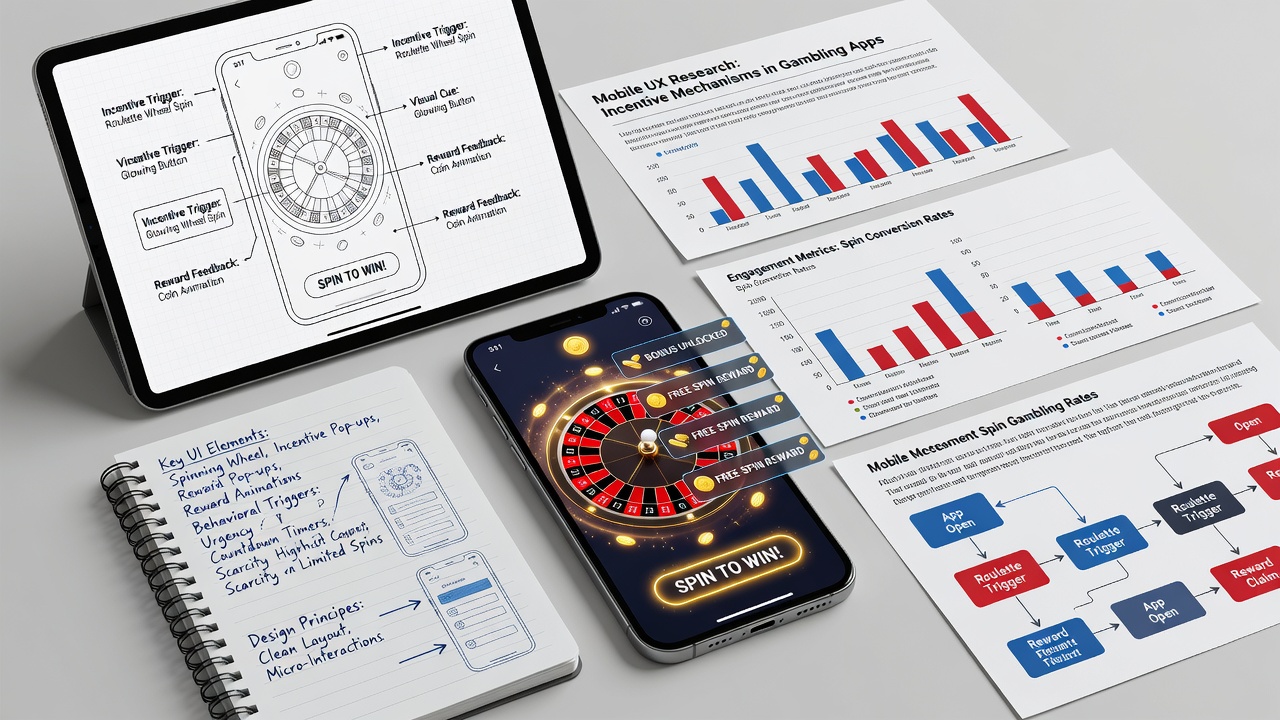
Personalization Layers and Gesture Integration
Adaptive interfaces that adjust button sizes based on prior user behavior patterns appear in several leading roulette applications, where larger tap targets for incentive claims emerge after repeated sessions on the same device. Gesture controls, including long-press actions on the betting chip area, unlock side panels listing available reload offers without interrupting the current wheel spin. Figures from academic reviews of mobile gaming UX indicate these elements reduce friction points, allowing seamless transitions between gameplay and reward collection while maintaining compliance with regional display requirements.
Cross-Feature Connections Within Apps
Many platforms embed roulette incentive triggers inside unrelated sections such as slot game hubs or loyalty dashboards, where switching between titles activates a temporary overlay promoting wheel bonuses. This design approach leverages existing navigation flows rather than creating standalone menus, and telemetry shared by European research consortia shows elevated trigger rates during peak evening hours. Observers note that the strategic placement of progress indicators for multi-game challenges further encourages users to sample roulette after completing tasks in other verticals.
Conclusion
Interface elements across smartphone roulette applications continue to evolve through measured combinations of layout, motion, and notification systems that align user actions with incentive pathways. Patterns identified in mid-2026 demonstrate consistent reliance on proximity-based prompts and adaptive visuals to facilitate reward engagement, with external analyses from sources such as the University of Waterloo and the Mobile Marketing Association providing ongoing benchmarks for these developments. Continued examination of these components reveals how design choices shape access to roulette-related offers without altering core game mechanics.