Spinning Networks: How Referral Chains and Live Interactions Build Layered Roulette Rewards in App Ecosystems
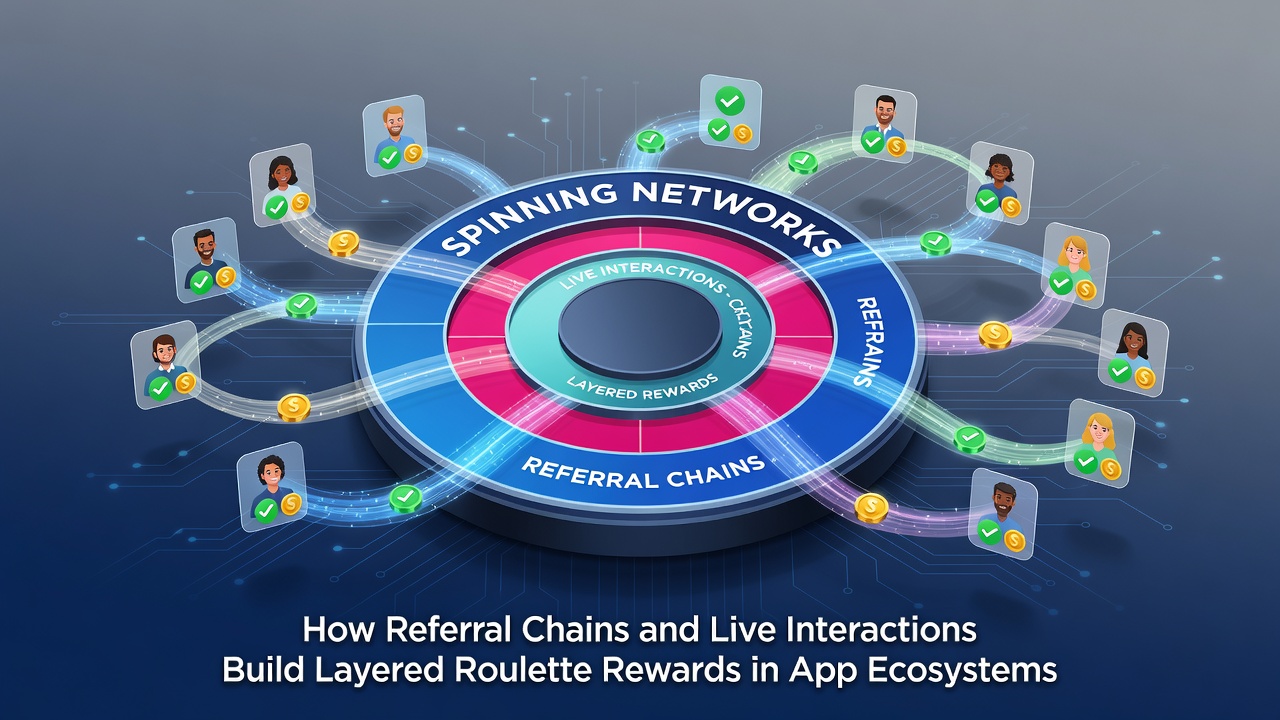
Referral chains operate as structured sequences where users invite others through unique codes embedded in mobile roulette applications, and each successful signup triggers tiered rewards that accumulate across multiple levels of participation. These systems function through automated tracking mechanisms that log connections between accounts, allowing bonuses to stack when new participants engage in live dealer sessions or place qualifying bets within specified timeframes. Data from industry tracking platforms shows that such networks expand reach by linking individual actions into broader reward structures that benefit both originators and subsequent joiners.
Mechanics of Referral Chains in Roulette Apps
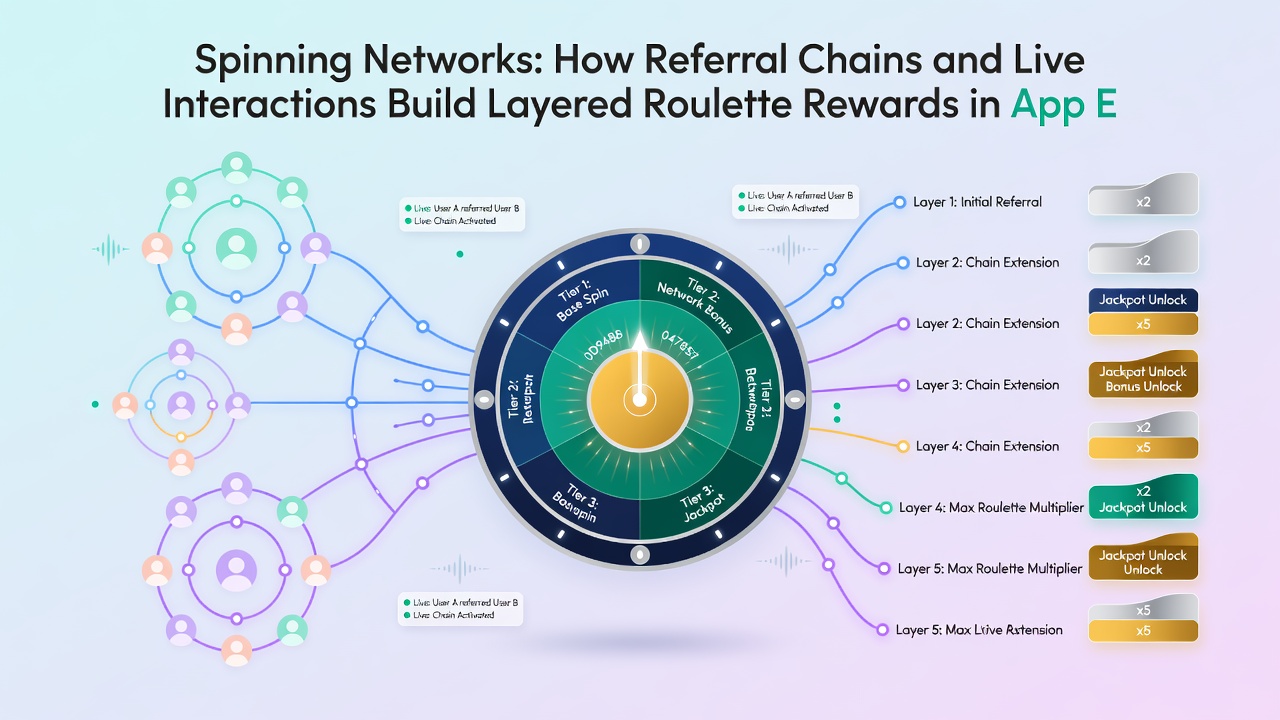
App developers configure referral programs so that an initial user shares a code, and upon registration the new account receives initial spins while the referrer gains layered credits that increase with each additional level of recruitment. In June 2026 several platforms introduced updates that extended chain depths to five or more participants, resulting in compounded rewards where early chain members access higher-value roulette bonuses tied to collective activity metrics. Observers note that these adjustments align with broader patterns in mobile ecosystems where user retention improves when rewards scale progressively rather than remaining flat.
Tracking occurs through device identifiers and account linkages that prevent duplication, while payout thresholds ensure participants complete minimum roulette rounds before claiming accumulated benefits. Research from the American Gaming Association indicates that referral-based acquisition accounts for a growing share of new app downloads in regulated markets, with roulette variants showing particular strength because live sessions encourage immediate engagement after signup.
Role of Live Interactions in Reward Layering
Live dealer interfaces within roulette applications incorporate chat functions and support exchanges that serve as entry points for additional bonuses, where users who communicate during sessions receive prompts for reload credits or enhanced multipliers. These interactions build upon referral foundations by converting real-time participation into layered incentives that accumulate across daily or weekly cycles. Platform logs reveal that players engaging in live chat receive targeted offers more frequently than those using automated play modes alone.
Support teams monitor conversation patterns to identify active users and issue rewards that integrate with existing chain structures, creating pathways where a referred player who chats during a session unlocks benefits that flow back to the original referrer. This creates interconnected reward layers where live elements reinforce the initial referral network rather than operating in isolation. Figures from the Canadian Gaming Association highlight that live interaction features correlate with higher average session durations across mobile casino applications, particularly in roulette categories where real-time decisions drive sustained play.
Integration of Referral and Interaction Systems
Combined architectures connect referral chains directly to live interaction logs so that bonuses triggered by chat activity count toward chain milestones and vice versa. In June 2026 several ecosystems implemented unified dashboards that display both referral progress and live session rewards in a single interface, allowing users to visualize how their network contributions compound with personal participation. This integration reduces fragmentation between acquisition and retention tools while maintaining separate compliance checks for each reward type.
Analytics engines process data from both sources to adjust reward values dynamically, increasing bonuses for chains that demonstrate high live engagement rates. Reports compiled by the Australian Communications and Media Authority document similar approaches in other digital entertainment sectors where interconnected user actions produce measurable lifts in overall platform activity without requiring separate promotional campaigns.
Technical Infrastructure Supporting Layered Rewards
Backend systems rely on graph databases to map referral relationships and interaction histories, enabling precise allocation of rewards across multiple tiers without manual intervention. These structures handle concurrent events such as simultaneous signups and live spins by processing them through queue systems that update balances in real time. Developers maintain audit trails that satisfy regulatory requirements while preserving the seamless experience users encounter during roulette sessions.
Security protocols verify chain authenticity through multi-factor checks that include device fingerprinting and behavioral analysis, reducing instances of artificial inflation. As networks scale, these safeguards become essential to sustaining trust in the layered reward model that depends on genuine connections between participants.
Conclusion
Referral chains paired with live interaction features create structured pathways for reward accumulation in roulette app ecosystems by linking user acquisition to ongoing engagement. Technical frameworks track these connections through automated systems that adjust incentives based on collective and individual activity. In June 2026 platform updates continued to refine these integrations, expanding the depth of available layers while maintaining compliance standards observed across multiple regulatory regions. Data from sources including the American Gaming Association and the Australian Communications and Media Authority confirm that such combined approaches contribute to measurable growth in user networks and session metrics within mobile gambling applications.