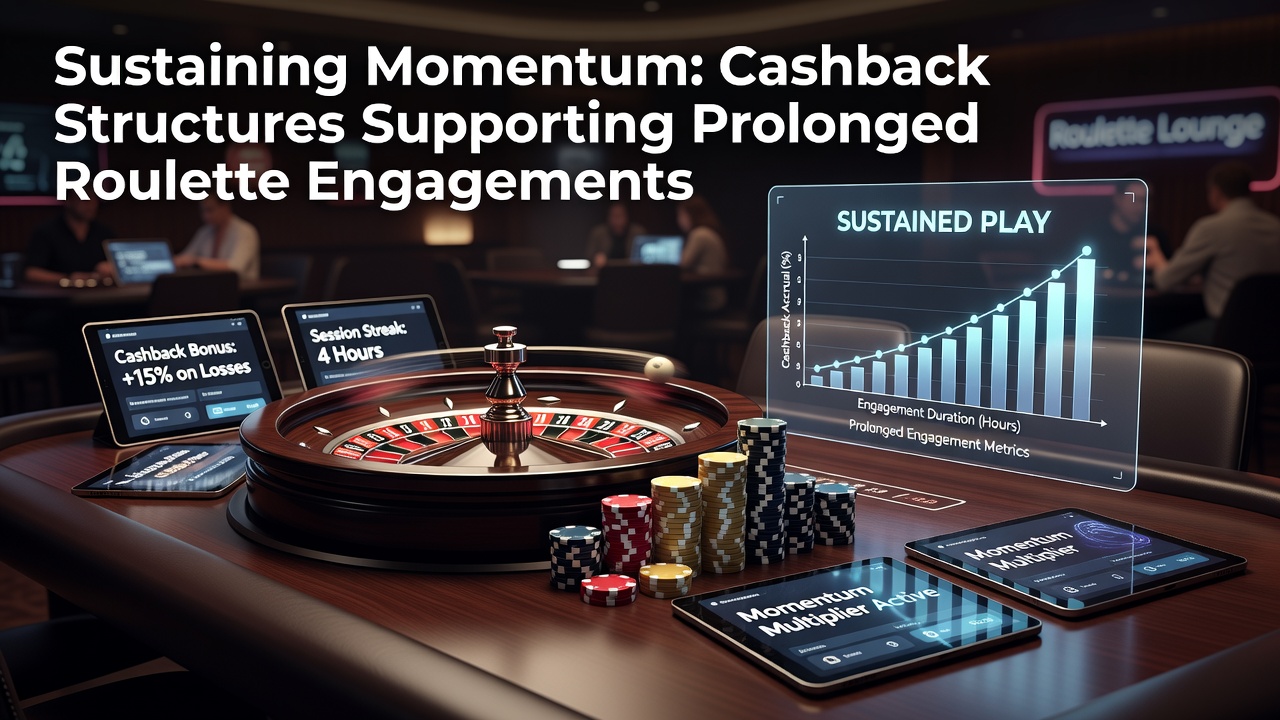
Sustaining Momentum: Cashback Structures Supporting Prolonged Roulette Engagements
Cashback structures in roulette have evolved into systematic tools that return portions of player losses as credits or bonuses, and these mechanisms operate across multiple UK online platforms where wheel-based games attract consistent traffic. Operators calculate returns typically on a weekly or monthly basis, applying percentages that range from five to twenty percent depending on the tier a player reaches through volume of play, and such systems encourage continued sessions because recovered funds can convert directly into additional bets without new deposits.
Mechanics Behind Cashback Calculations
Platforms determine eligibility by tracking net losses over defined periods, subtracting wins from total wagers placed on roulette variants including European, American, and live dealer formats, while excluding bonus funds from the base calculation in most cases. Research from the University of Nevada Las Vegas indicates that structured cashback programs correlate with extended session lengths because players receive automated notifications when thresholds trigger payouts, and these alerts often coincide with peak engagement hours such as evening slots in July 2026 when traffic data shows increased activity ahead of seasonal events.
Tiered Systems and Retention Patterns
Many programs layer cashback rates according to loyalty milestones, so a basic tier might return eight percent while higher levels deliver fifteen percent or more on qualifying losses, and these progressions reward consistent participation rather than one-off deposits. Observers note that roulette players who move through tiers experience smoother bankroll management because partial recoveries offset variance inherent in the game, and data from industry reports reveal that such structures appear in promotions rolled out across platforms during mid-2026 updates.
Take one operator that introduced a progressive cashback ladder tied to roulette-specific metrics, where spins on live tables counted double toward tier advancement, and participants who reached the top bracket received weekly returns capped at set amounts but renewable upon continued activity. This approach creates repeat cycles because recovered credits feed back into the same game type, sustaining momentum without external funding.

Integration With Broader Loyalty Frameworks
Cashback rarely stands alone, instead combining with reload bonuses and comp points that accumulate separately yet convert at fixed rates into roulette credits. Those who've examined player data across multiple sites find that combined structures produce longer average engagement windows because each element reinforces the next, and cashback specifically addresses loss aversion by returning value even during downswings. Reports compiled by the Massachusetts Gaming Commission highlight similar patterns in regulated markets where loyalty mechanics extend play duration across table games including roulette.
What's interesting here involves timing: cashback credits often release on fixed schedules such as Monday mornings following weekend play, aligning with periods when users check accounts and decide on next sessions, while automated tracking ensures accuracy across thousands of individual bets placed on numbered wheels and outside options like red-black or column wagers.
Geographic and Regulatory Variations in 2026
Although structures differ by jurisdiction, UK-facing sites maintain cashback as a core retention feature amid evolving rules, and comparisons with systems in other regions such as those overseen by the Malta Gaming Authority show parallel use of percentage-based returns to maintain activity levels. Figures from academic analyses in the Journal of Gambling Studies suggest that cashback tied to specific games like roulette produces measurable upticks in repeat logins because the reward feels immediate and directly applicable rather than requiring additional qualification steps.
During July 2026 several platforms adjusted cashback thresholds downward for mid-tier players, expanding access to smaller but more frequent returns that accumulate over extended periods, and this shift coincided with broader industry adjustments ahead of anticipated calendar events.
Practical Examples From Operational Data
One documented case involved a roulette-focused promotion where cashback applied exclusively to losses exceeding fifty pounds in a seven-day window, resulting in credits issued at ten percent and usable within forty-eight hours on the same wheel variants. Players who engaged with this setup reported sustained participation across multiple evenings because the structure reduced the psychological impact of consecutive losses without altering underlying odds.
Another framework used daily cashback caps that reset at midnight, encouraging shorter but more numerous sessions throughout the week rather than single marathon plays, and aggregate numbers from platform analytics indicate these daily models maintain steadier traffic flows compared with weekly lump-sum alternatives.
Conclusion
Cashback structures continue to support prolonged roulette engagements through calculated returns, tiered incentives, and integration with existing loyalty tools, while data from multiple regulatory and academic sources confirm their role in session extension across regulated markets. As platforms refine these systems in response to player behavior patterns observed through 2026, the core function remains consistent: converting portions of losses into reusable credits that keep the wheel turning.