Tiered Loyalty Programs Within Mobile Roulette Ecosystems Driving Sustained Player Incentives
Observers note that mobile app ecosystems have integrated tiered loyalty structures to maintain consistent roulette activity through repeated incentive mechanisms, and data from industry reports shows these frameworks operate by assigning players progressive status levels based on cumulative play metrics such as spin volume, deposit frequency, and session duration. These systems track engagement in real time across iOS and Android platforms, which allows operators to deliver personalized reward triggers that escalate with each tier advancement.
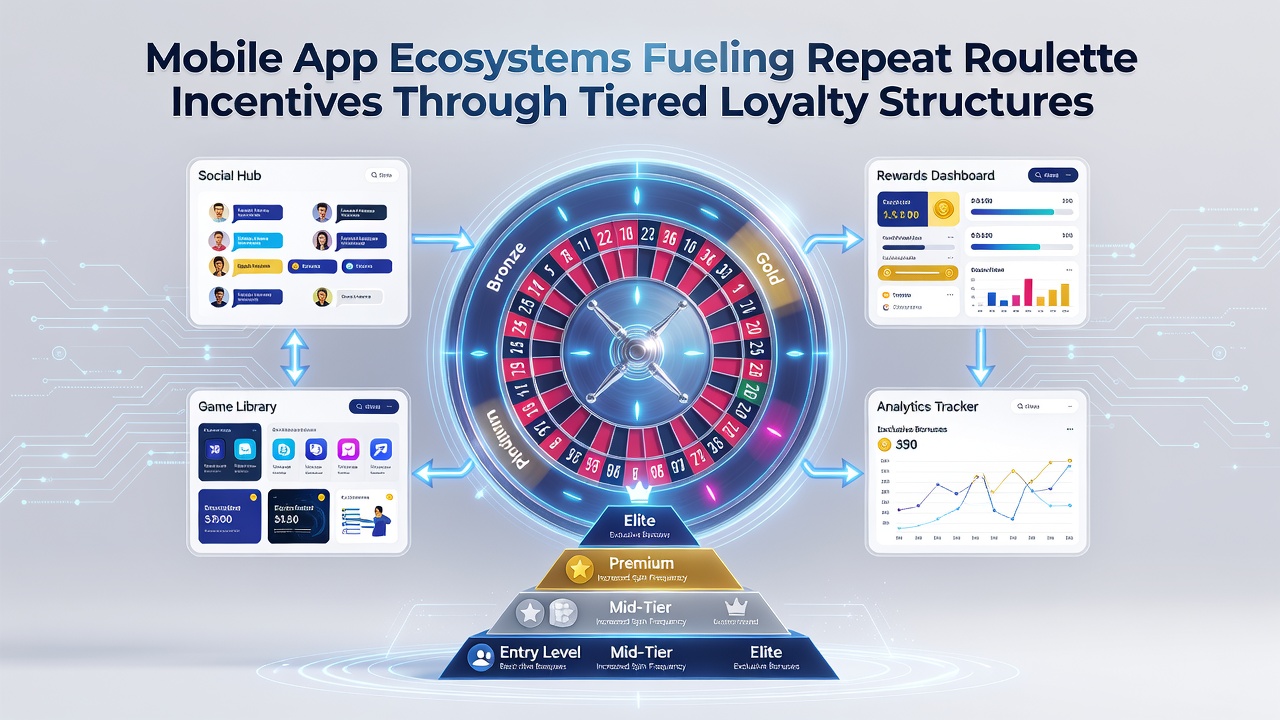
According to figures from the European Gaming and Betting Association, mobile roulette sessions accounted for over 65 percent of total online wheel activity in several member markets during early 2026, and this shift coincided with widespread adoption of loyalty tiers that unlock escalating cashback percentages, free spin allocations, and exclusive table access as players move from entry-level bronze status through silver and gold classifications. The architecture relies on seamless backend synchronization so that achievements in one session immediately reflect in subsequent logins without manual intervention.
Mechanics of Tier Progression and Incentive Delivery
Developers design these programs so that each tier imposes specific thresholds for advancement, typically measured in loyalty points earned per roulette bet placed, while higher levels grant multipliers on those points along with priority customer support routing and reduced wagering requirements on bonus funds. Researchers at academic institutions studying digital gambling interfaces have documented how push notification systems within apps alert users to imminent tier upgrades or expiring rewards, thereby prompting return visits that sustain roulette participation over extended periods.
One documented pattern involves daily login streaks combined with minimum spin requirements that accelerate point accumulation, and operators calibrate these parameters to balance player retention against regulatory limits on promotional intensity. In June 2026 several platforms introduced algorithmic adjustments that recalibrated tier thresholds in response to aggregated usage data, resulting in more granular segmentation of player cohorts and targeted roulette-specific incentives such as enhanced payout tables available exclusively during peak evening hours.
Integration of App Features With Loyalty Ecosystems
Mobile applications embed loyalty tracking directly into core roulette interfaces, displaying real-time progress meters alongside the betting grid so participants can monitor advancement without leaving the game environment. This integration extends to social sharing functions that award bonus points when users invite contacts, which in turn feeds additional repeat activity as new players enter the ecosystem at lower tiers and existing members pursue collaborative milestones. Data indicates that apps incorporating biometric authentication and one-tap deposit options reduce friction in the reward redemption process, enabling faster cycling of incentives back into active play.

What's interesting is the way location-based features sometimes interact with these structures, granting temporary tier boosts during travel or at partnered venues, although such mechanics remain subject to jurisdictional variations in permitted promotional activity. Observers have recorded cases where cross-promotion between roulette and other casino verticals allows point transfers that accelerate tier movement, creating interconnected reward pathways that encourage diversified yet sustained wheel engagement.
Regional Regulatory Contexts and Platform Adaptations
Regulatory bodies outside the United Kingdom, including the Malta Gaming Authority and the Nevada Gaming Control Board, have issued guidance requiring transparent disclosure of tier criteria and reward expiration policies within mobile applications, and operators respond by embedding explanatory overlays and audit trails directly into user dashboards. These requirements ensure that players receive clear information on how repeat incentives scale across loyalty levels without hidden conditions that could affect participation rates.
Industry analyses from the Canadian Gaming Association reveal that jurisdictions permitting mobile roulette have seen measurable increases in average session length following the introduction of tiered systems, particularly when apps provide visual feedback on progress toward the next reward bracket. Such transparency supports compliance while simultaneously reinforcing the behavioral loop that ties continued play to tangible benefits delivered through the app ecosystem.
Conclusion
The convergence of mobile technology and structured loyalty frameworks has produced measurable patterns of repeated roulette engagement across multiple markets, with tiered incentives functioning as the primary mechanism for sustaining activity. Evidence from regulatory filings and usage statistics continues to illustrate how these systems evolve in response to both player behavior and oversight requirements, maintaining operational continuity into the latter half of 2026 and beyond.