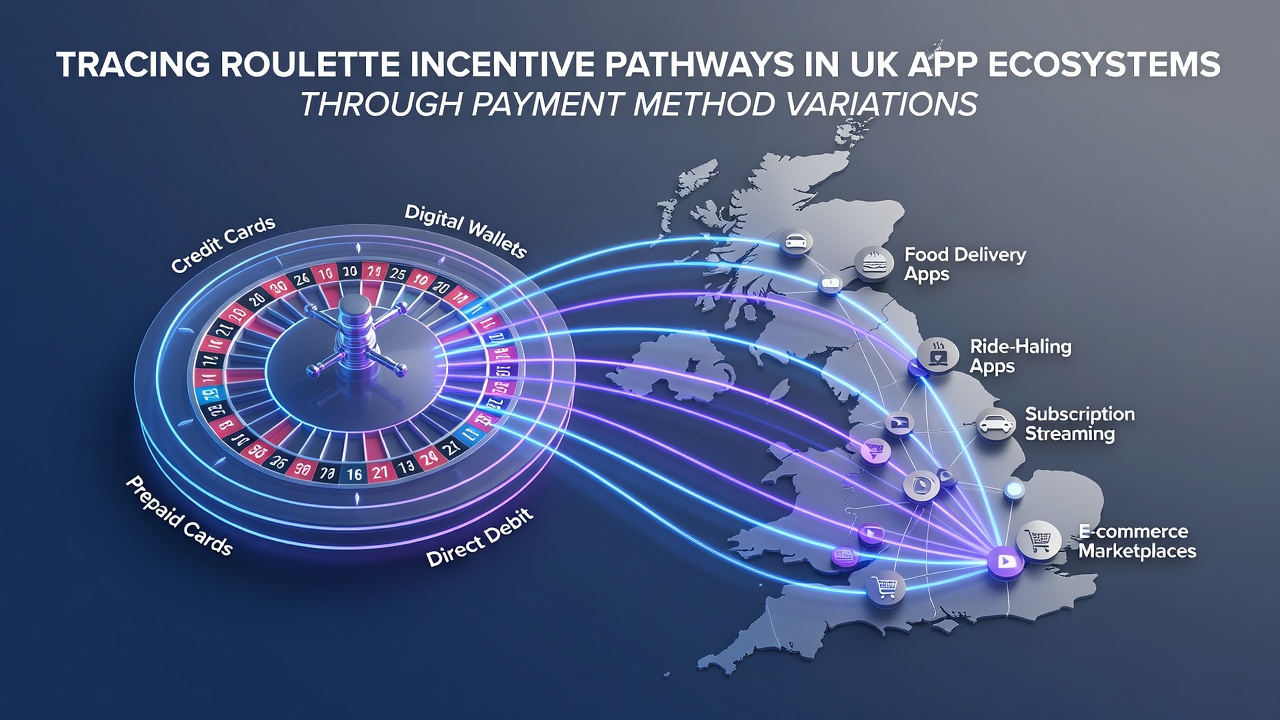
Tracing Roulette Incentive Routes in UK App Ecosystems via Payment Channel Shifts
Payment method choices shape how roulette incentives move through UK app ecosystems, since different transaction channels carry distinct processing rules, verification steps, and reward eligibility criteria that operators apply at the platform level. Credit cards, e-wallets, bank transfers, and prepaid vouchers each trigger separate tracking sequences once a user deposits funds into a roulette-focused app, and these sequences determine whether bonus credits, cashback percentages, or loyalty points attach to the initial wager. Observers note that apps often segment incentive pathways immediately after the payment processor confirms the transaction, with card-based deposits frequently routed through stricter age and identity checks before bonus activation occurs. E-wallet transfers, by contrast, bypass some of those checks and move directly into reward allocation modules, which explains why many UK roulette apps display higher instant bonus uptake when users select digital wallet options over traditional cards. Data from industry reports shows that processing times vary sharply across channels, and these timing differences influence when roulette incentives become available for play. Bank transfers may take one to three business days to clear, delaying bonus credit until funds settle, whereas instant e-wallet deposits unlock promotional balances within minutes of confirmation. Prepaid voucher redemptions sit somewhere in between, requiring manual code validation that adds an extra step before the incentive pathway activates.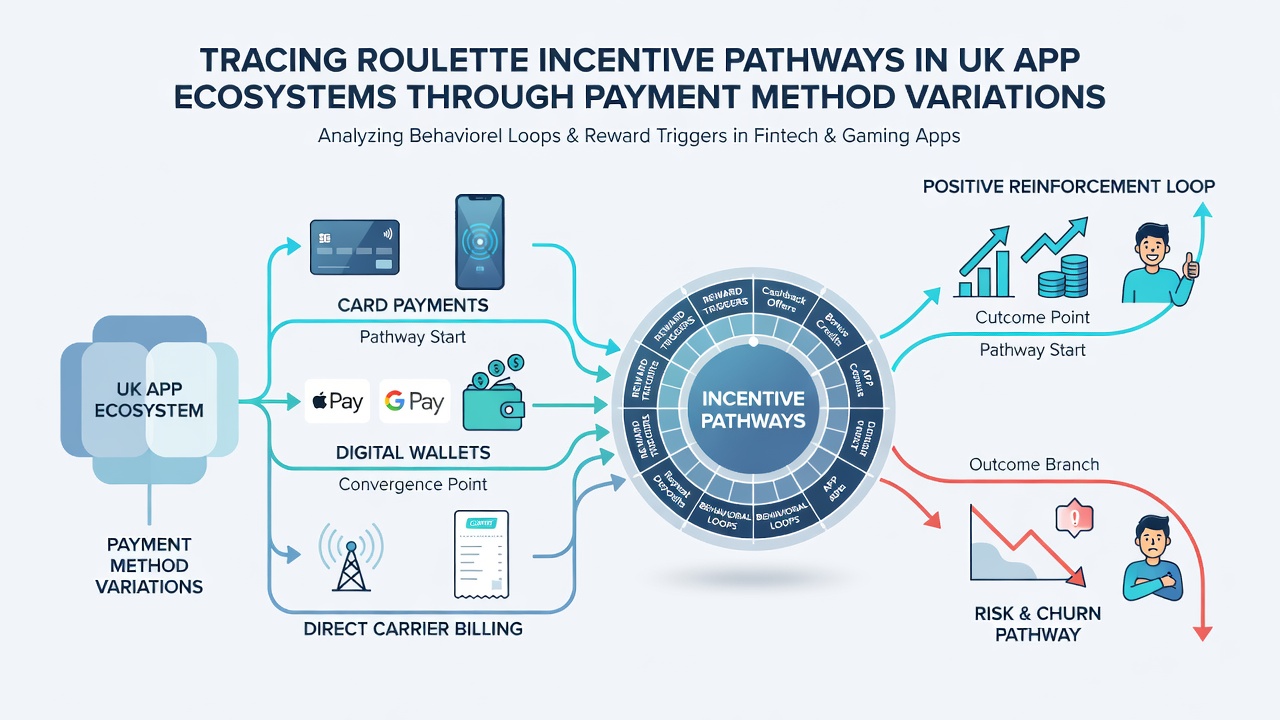
Payment method choices shape how roulette incentives move through UK app ecosystems, since different transaction channels carry distinct processing rules, verification steps, and reward eligibility criteria that operators apply at the platform level. Credit cards, e-wallets, bank transfers, and prepaid vouchers each trigger separate tracking sequences once a user deposits funds into a roulette-focused app, and these sequences determine whether bonus credits, cashback percentages, or loyalty points attach to the initial wager. Observers note that apps often segment incentive pathways immediately after the payment processor confirms the transaction, with card-based deposits frequently routed through stricter age and identity checks before bonus activation occurs. E-wallet transfers, by contrast, bypass some of those checks and move directly into reward allocation modules, which explains why many UK roulette apps display higher instant bonus uptake when users select digital wallet options over traditional cards. Data from industry reports shows that processing times vary sharply across channels, and these timing differences influence when roulette incentives become available for play. Bank transfers may take one to three business days to clear, delaying bonus credit until funds settle, whereas instant e-wallet deposits unlock promotional balances within minutes of confirmation. Prepaid voucher redemptions sit somewhere in between, requiring manual code validation that adds an extra step before the incentive pathway activates.Payment Channel Segmentation in Mobile Roulette Environments
UK app developers embed separate logic branches for each accepted payment method inside the reward engine, which means the same roulette deposit can produce different incentive outcomes depending on the selected channel. Researchers tracking these branches have documented how card networks impose additional compliance layers that can reduce the effective bonus percentage compared with e-wallet routes, even when headline promotional terms appear identical. One study revealed that apps using multiple acquirers route card transactions through higher-fee processors that automatically deduct service charges before bonus calculation, while e-wallet partners often absorb those fees to keep the full deposit amount eligible for reward multipliers. This structural difference creates measurable divergence in final incentive value once the roulette session begins.Tracing Incentive Flows Through Verification and Compliance Gates
Verification gates sit at key junctions along each payment pathway, and the order in which these gates appear affects how quickly roulette incentives reach the player account. Apps that require source-of-funds documentation after card deposits insert a manual review stage that can pause bonus activation for up to 48 hours, whereas e-wallet transactions often complete automated checks within the same session. Those who've mapped these sequences observe that prepaid voucher redemptions trigger a separate compliance branch focused on voucher authenticity rather than bank account linkage, which shortens the overall pathway but caps the maximum bonus amount that can attach to the deposit. The resulting variation produces distinct reward ceilings across payment types even when the underlying promotional campaign remains unchanged.